Domain aaat.de kaufen?
Wir ziehen mit dem Projekt
aaat.de um.
Sind Sie am Kauf der Domain
aaat.de interessiert?
domain@kv-gmbh.de · 0541-91531010
Domain aaat.de kaufen?
Wie beeinflusst die Optimierung von Keywords und Meta-Tags das Suchmaschinen-Ranking einer Webseite?
Die Optimierung von Keywords und Meta-Tags kann das Suchmaschinen-Ranking einer Webseite positiv beeinflussen, da Suchmaschinen diese Informationen verwenden, um den Inhalt und die Relevanz einer Seite zu bewerten. Durch die Verwendung relevanter Keywords in den Meta-Tags und im Inhalt der Webseite können Suchmaschinen die Seite besser verstehen und entsprechend einordnen. Eine gezielte Optimierung kann dazu führen, dass die Webseite in den Suchergebnissen höher platziert wird, was wiederum zu mehr Traffic und Sichtbarkeit führt. Allerdings sollte die Optimierung natürlich immer im Einklang mit den Richtlinien der Suchmaschinen erfolgen, um negative Auswirkungen zu vermeiden. **
Cake or fake?
It depends on the context. If you are asking about a choice between eating cake or something that is not real, then cake would be the preferred option. However, if you are asking about the authenticity of something, then fake would imply that it is not genuine or real. **
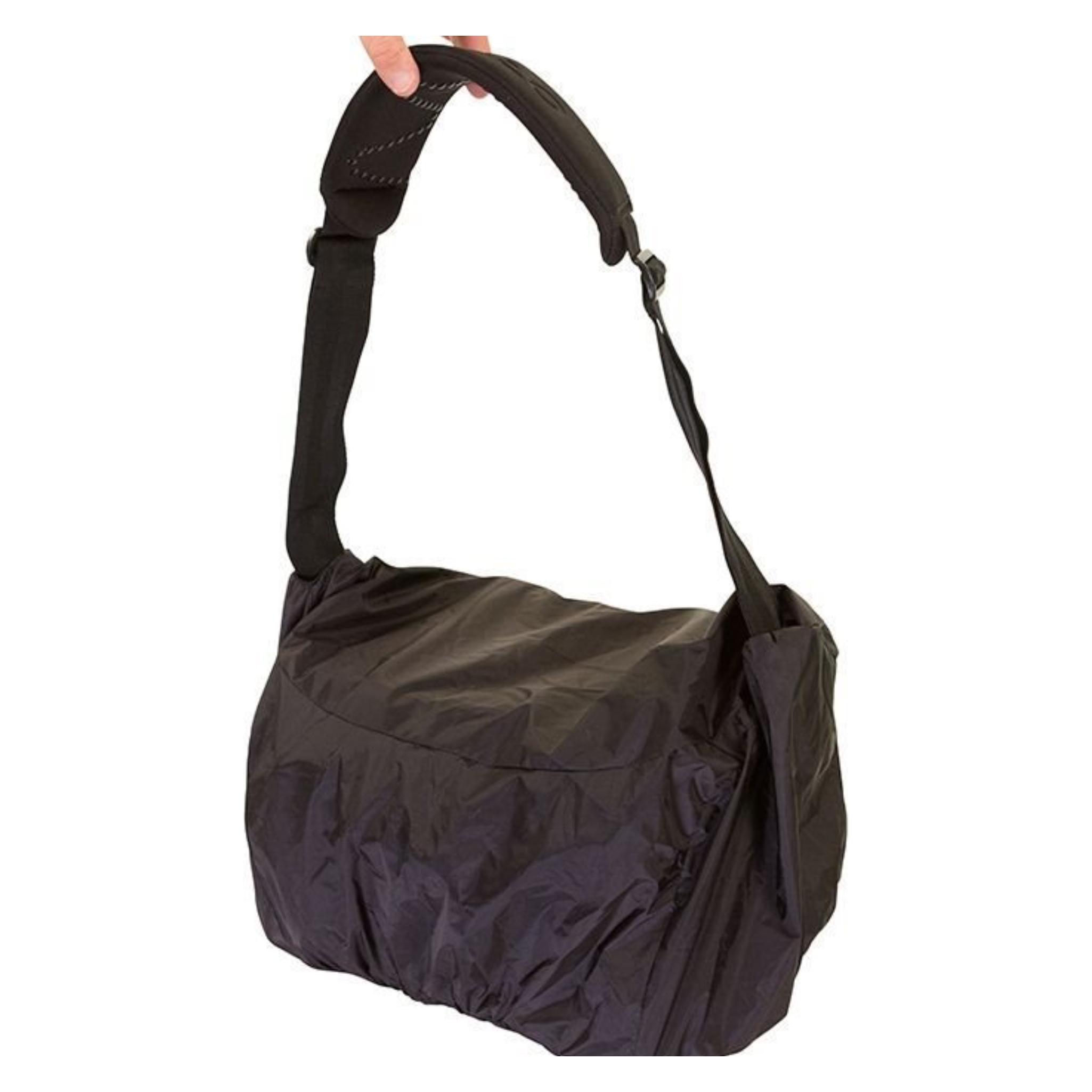
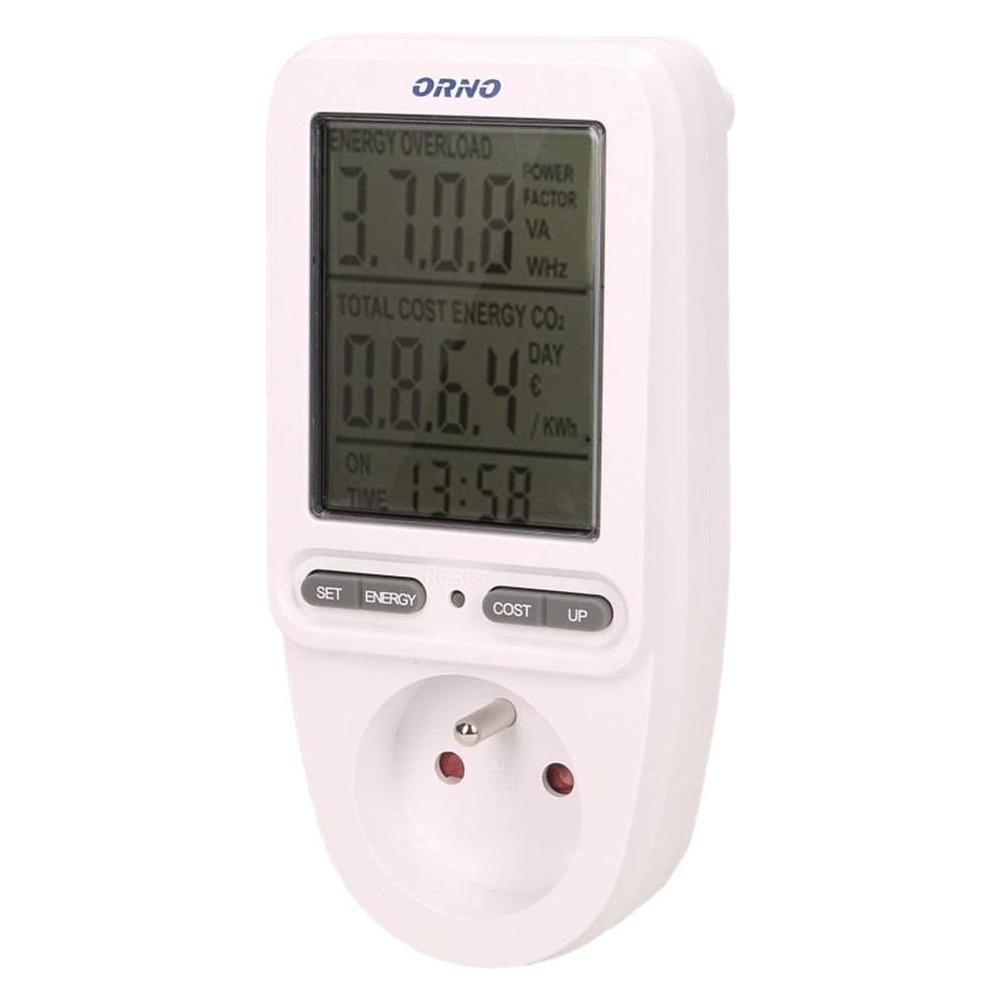
Ähnliche Suchbegriffe für -or
Top-Angebote
Produkte zum Begriff -or:

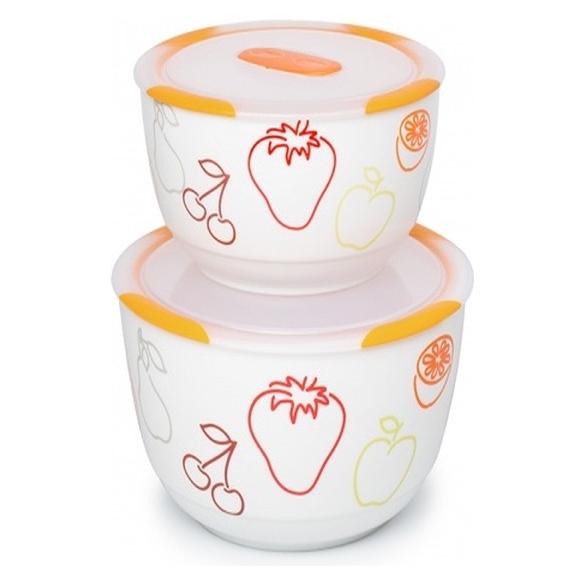
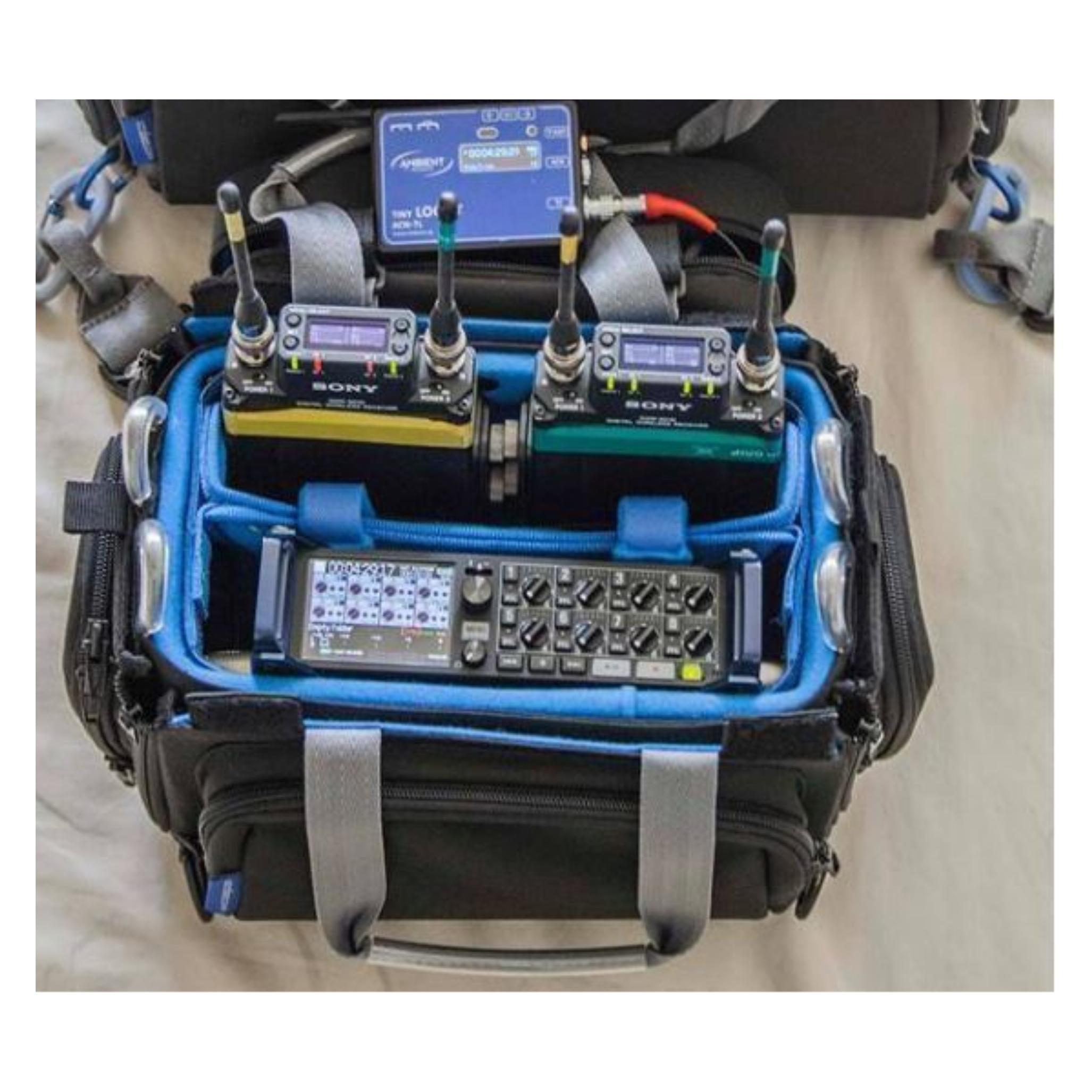

-
Will or gonna?
"Will" and "gonna" are both used to express future actions, but there are slight differences in their usage. "Will" is more formal and is used in more formal situations, while "gonna" is a more informal and colloquial way of expressing future actions. **
-
Do or does?
The choice between "do" and "does" depends on the subject of the sentence. "Do" is used with plural subjects and "does" is used with singular subjects. For example, "They do their homework" and "She does her homework." **
-
Anyway or anyways?
Both "anyway" and "anyways" are commonly used in spoken English to mean the same thing. However, "anyway" is more widely accepted and considered to be the standard form. "Anyways" is often considered to be more informal or colloquial. **
-
Doesn't or don't?
The correct form to use depends on the subject of the sentence. "Doesn't" is used with singular subjects, while "don't" is used with plural subjects. For example, "He doesn't like coffee" (singular subject) and "They don't like coffee" (plural subject). **

Travelling or traveling?
Both "travelling" and "traveling" are correct spellings of the word, but they are used in different regions. "Travelling" is more commonly used in British English, while "traveling" is more commonly used in American English. **
Do or make?
The choice between "do" and "make" depends on the context and the specific action being referred to. "Do" is generally used for activities or actions that involve performing or carrying out something, while "make" is used for creating or producing something tangible. For example, you would say "do your homework" but "make a cake." **
Top-Angebote
Produkte zum Begriff -or:
-
Wie beeinflusst die Optimierung von Keywords und Meta-Tags das Suchmaschinen-Ranking einer Webseite?
Die Optimierung von Keywords und Meta-Tags kann das Suchmaschinen-Ranking einer Webseite positiv beeinflussen, da Suchmaschinen diese Informationen verwenden, um den Inhalt und die Relevanz einer Seite zu bewerten. Durch die Verwendung relevanter Keywords in den Meta-Tags und im Inhalt der Webseite können Suchmaschinen die Seite besser verstehen und entsprechend einordnen. Eine gezielte Optimierung kann dazu führen, dass die Webseite in den Suchergebnissen höher platziert wird, was wiederum zu mehr Traffic und Sichtbarkeit führt. Allerdings sollte die Optimierung natürlich immer im Einklang mit den Richtlinien der Suchmaschinen erfolgen, um negative Auswirkungen zu vermeiden. **
-
Cake or fake?
It depends on the context. If you are asking about a choice between eating cake or something that is not real, then cake would be the preferred option. However, if you are asking about the authenticity of something, then fake would imply that it is not genuine or real. **
-
Will or gonna?
"Will" and "gonna" are both used to express future actions, but there are slight differences in their usage. "Will" is more formal and is used in more formal situations, while "gonna" is a more informal and colloquial way of expressing future actions. **
-
Do or does?
The choice between "do" and "does" depends on the subject of the sentence. "Do" is used with plural subjects and "does" is used with singular subjects. For example, "They do their homework" and "She does her homework." **
Ähnliche Suchbegriffe für -or
-
Anyway or anyways?
Both "anyway" and "anyways" are commonly used in spoken English to mean the same thing. However, "anyway" is more widely accepted and considered to be the standard form. "Anyways" is often considered to be more informal or colloquial. **
-
Doesn't or don't?
The correct form to use depends on the subject of the sentence. "Doesn't" is used with singular subjects, while "don't" is used with plural subjects. For example, "He doesn't like coffee" (singular subject) and "They don't like coffee" (plural subject). **
-
Travelling or traveling?
Both "travelling" and "traveling" are correct spellings of the word, but they are used in different regions. "Travelling" is more commonly used in British English, while "traveling" is more commonly used in American English. **
-
Do or make?
The choice between "do" and "make" depends on the context and the specific action being referred to. "Do" is generally used for activities or actions that involve performing or carrying out something, while "make" is used for creating or producing something tangible. For example, you would say "do your homework" but "make a cake." **
* Alle Preise verstehen sich inklusive der gesetzlichen Mehrwertsteuer und ggf. zuzüglich Versandkosten. Die Angebotsinformationen basieren auf den Angaben des jeweiligen Shops und werden über automatisierte Prozesse aktualisiert. Eine Aktualisierung in Echtzeit findet nicht statt, so dass es im Einzelfall zu Abweichungen kommen kann. ** Hinweis: Teile dieses Inhalts wurden von KI erstellt.